white specks in stool
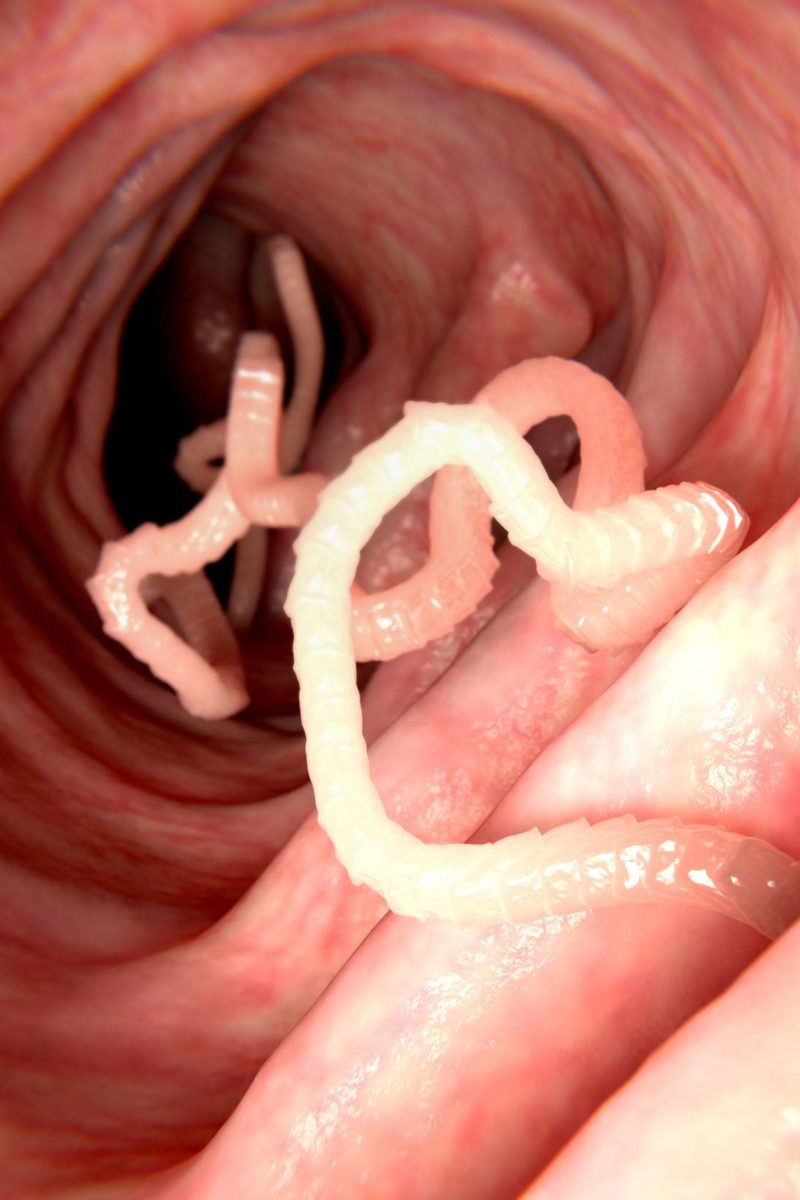 White specks in stool: Causes, treatment, and tips
If your dad looks like that, it's time to see a doctor. It may be quite, um, crazy to deal with bowel problems. Set up the normal and what is not a challenge if you don't know what to look for. Feces come in all shapes and sizes and can change shapes depending on what you are eating or what is happening in your life right now. "Towel movements change from person to person depending on their diet, physical activity, how much water they consume and what medicines they take," said a retired gastroenterologist and health blogger. Everyone has their own barometer of how often their body is used to go and what a typical stool seems to them. What if things change and see something beyond the rule on the toilet? We have talked to some experts to determine which intestinal habits are not so ordinary and may require a trip to the doctor. The black feces and/or losses, surgical director of the Bowl and Colorectal Inflammatory Disease Center of the Baltimore Mercy Medical Center, said that if your caca is black, "not just dark brown," you should be worried. "This means that bleeding is occurring from a higher source of GI such as esophagus, stomach, or small intestine," he explained. There are some exceptions to this: If you are taking iron supplements, for example, your stools to the point where they almost look black. If you have taken the biscuits medication like Pepto Bismol, you can also. It is always best to consult with a doctor if you are not sure. Bright red blood in your feces If you find blood in your feces either on the toilet paper, on the water or strangled in the feces, this may indicate a source of bleeding from the anal canal or a low rectal source. "Things like internal hemorrhoids, anal fissures, rectal polyps or rectal cancers can do all this," Nelson said. All these are reasons to see a doctor. Brown color stools If your feces are of this color, they are probably also more fluid in consistency and matched with a nasty and different smell. According to Nelson, this may indicate bleeding from the very end of the small intestine or colon. "Diverticulosis and arteriovenous malformations are the classic causes of this presentation," and a reason to go to the emergency room, he said. Pale, oily, and especially odor stools "This finding is called steatorea and is due to excess fat in stools," explained Chris Carrubba, an internal medicine physician in Jacksonville, Florida. Carrubba said steatorea is often seen with malabsorption syndromes, pancreatic insufficiency and bile disease. "The presence of steatorea indicates difficulty in absorbing fat and these patients are at risk of developing deficiencies in fat-soluble vitamins," such as vitamins A, D, E and K, he said. Stools that are different from your typical bowel movements Your body is a habit creature in many ways. For example, if you always have soft and long stools like sausages and suddenly change to a completely different size, you should talk to your doctor. "The thin pencil against the trunk as it would routinely mean that an inflammatory condition may be present as Crohn or infection," said Karen Soika, a general surgeon in Greenwich, Connecticut. If the consistency of the feces has changed to diarrhea or aqueous, this could mean irritable bowel syndrome, an infectious cause or an inflammatory bowel disease such as ulcerative colitis. IBS or infections can also increase constipation. Aqueous Diarrhea after a camping trip This can be due to the giardia, "a protozoal organism that is in fresh water and the reason why it should always boil and sanitize the water of the mountain streams or lakes," Carrubba said. Ingestion of this body can result in giardiasis, which leads to abdominal pain and persistent and aqueous diarrhea. The problem can be treated with antimicrobials. In addition to drinking contaminated water, you can eat uncooked vegetables or fruits that were rinsed in contaminated water and unduly wash your hands after contacting feces or an infected human or animal. Mucus on the stool This is usually due to inflammation of the intestines, he said, a gastroenterologist in Los Angeles. He noted that the condition can be seen in inflammatory bowel diseases such as ulcerative colitis or Crohn's. It may also be due to inflammation caused by a bacterial or IBS infection. "The mucus associated with blood and abdominal pain should not be ignored and requires medical attention," he explained. Hard or rare stools This means constipation and is usually caused by lack of fiber in your diet, as well as low intake of water. However, this problem can also be caused by medication, blockages in the intestine, or in rarer cases, colon cancer. "Constipation can be treated in many ways and always start with increased fiber and water intake. The recommended daily intake of fiber is at least 25 grams and the amount of water needed varies from person to person," said , a Brooklyn Gastroenterology and Endoscopy Associates gastroenterologist. Laxatives are available for free sale to help with this topic and work increasing the motility in the intestine or increasing the amount of water delivered to the colon, Braha said. "But for symptoms that do not improve quickly or start after 50 years, it is important to seek advice from a gastroenterologist to determine whether more tests are needed such as a colonoscopy to verify more serious problems such as bowel obstruction or colon cancer," he said. Soft, watery or frequent stools "Diarrhea is common after eating bad food or an infection and should not last more than a week in most cases," Braha explained. Feces can be a matter of concern if diarrhea lasts longer than two weeks or when it is in conjunction with bleeding, weight loss or symptoms that keep you awake at night. "When diarrhea is not an infectious source, we look for other common causes such as lactose intolerance, irritable bowel syndrome, inflammatory bowel disease or celiac disease," Braha said. "Gastroenterologists often find the cause of diarrhea by checking certain blood tests, stool tests and performing a colonoscopy. "It's usually a good idea to make an appointment with your doctor if you are concerned about bowel movements at all. Your poop might be trying to tell you something. Related Coverage Waking up to urinate in the middle of the night? This is for you. Do you feel more Gassy than Usual? Here's why. Read this if you get yeast infections often in the allocation for HuffPostMORE EN Wellness7 Errors You are doing in the morning that your productivity falls Keep in it: your guide to sleep and live betterWhy don't you feel guilty about getting your COVID-19 VaccineMORE IN LIFEWhat people with long COVID want your colleagues to knowThe Smoothest Coffee Cup? Add a raw egg to your soils21 Related Tweets for everyone who comes out of steam at workBest leggings for Real-Life Bodies, According to Real-Life People How to raise children who are not afraid to be vulnerableHow to know if you are a Interruptor or a 'cooperative reducer'The most fun Parent Tweets This weekThe best gifts from Latin-born brands to give this holiday season

Why You should NEVER Ignore White Specs or Balls in Stool | Stool, Health detox, Health tips
Cat Poop With White Dots - toxoplasmosis

Fat turd with white little spots : poop

Poop 101: A beginner's guide to reading your own poop - The Verge

Explosion of small white specks - eating my worms? : Vermiculture

White rice like specs in stool | Abdominal Disorders | Forums | Patient

Cat Poop With White Dots - toxoplasmosis

i feel my baby's poop isnt normal..he sometimes poop greyish with white specks in it..picture attached below..please help me i'm really worried – FirstCry Parenting

White Specks in Stool Parasites (Page 1) - Line.17QQ.com

White Dots in Stool (Page 1) - Line.17QQ.com

Brown Specks In Stool - Stools Item

What the appearance if your poop means

You've Black Specks In Stool? 5 Possible Causes And Treatment » HealthWeakness

White pebbles in stool : AskDocs

What your dog's poop can tell you about his health

White Dots in Dog Poop (Page 1) - Line.17QQ.com
Very tiny white specs in Dog Stool | German Shepherds Forum

White specks in stool: Causes, treatment, and tips

Pin on Digestive System

White Specks in Stool: Causes, Treatment, and Complications

White balls in stool causes. White stuff in stool

White Specks in Stool: Causes, Treatment, and Complications

i feel my baby's poop isnt normal..he sometimes poop greyish with white specks in it..picture attached below..please help me i'm really worried – FirstCry Parenting

White Specks in stool On CureZone Image Gallery

What Are These White Specks In My Poop? : AskDocs

What is Reason of White Specks or Spots in Stool

Tiny Black Specks In Poop - toxoplasmosis
White Specks In My Poop - What Can Possibly Cause It? - By Dr. Vikram Jeet Singh | Lybrate

White Stuff in Poop: What to Do When You See It - YouMeMindBody - Health & Wellness

A Pet Parent's Guide: How Poo Relates to Overall Health | Herbsmith

White Dots in Stool (Page 1) - Line.17QQ.com

THE PROOF IS IN THE POOP - Groovy Goldendoodles™

White Specks in Dog Poop (NOT MOVING)! - DogArea

White Specks in Stools: 10 Causes and Treatment Tips

Dog Poop Color Chart - What it Shows About Your Dog's Health

Dog Poo Colour Chart | Healthy Dog Poo - Pet Drugs Online
Orange squishy dots in dog poop | Puppy Forum and Dog Forums

Little White Specks In Poop - toxoplasmosis

eggs in stool? (warning graphic) parasites? | Other Conditions and General Health | Forums | Patient

White Specks in Stool: Causes, Treatment, and Complications

Posting Komentar untuk "white specks in stool"